Understand LIUTRIX Averaging at the position limit, its separate budget, and how it differs from scheduled DCA and manually merging positions.
For LIUTRIX users, DCA vs averaging down is a question about the actual purchase trigger. The current pair form does not schedule a fixed weekly or monthly investment. Target spaces new positions during a decline, while the separate Averaging option starts when the pair reaches its open position limit.
Understanding those two stages matters more than applying a broad crypto averaging label. A new position, an additional averaging purchase and a manual merge are different events with different effects on your capital and records.
Separate a timetable from the LIUTRIX price steps
Investor.gov describes dollar-cost averaging as equal investments at regular time intervals regardless of market movements. That definition helps distinguish scheduled investing from the controls on a LIUTRIX pair.
With Target at 3%, hypothetical falling-price entries from 100 occur at 97 and then 94.09. They follow successive percentage declines, not a calendar. Open position limit counts how many positions can be open at once, including the first.
With a limit of three, reaching the third position fills that capacity. Without enabled Averaging, the limit prevents more positions. During recovery the strategy closes existing positions at their own targets; freeing a slot does not itself create a new buy on the recovery leg.
Configure automatic Averaging as its own decision
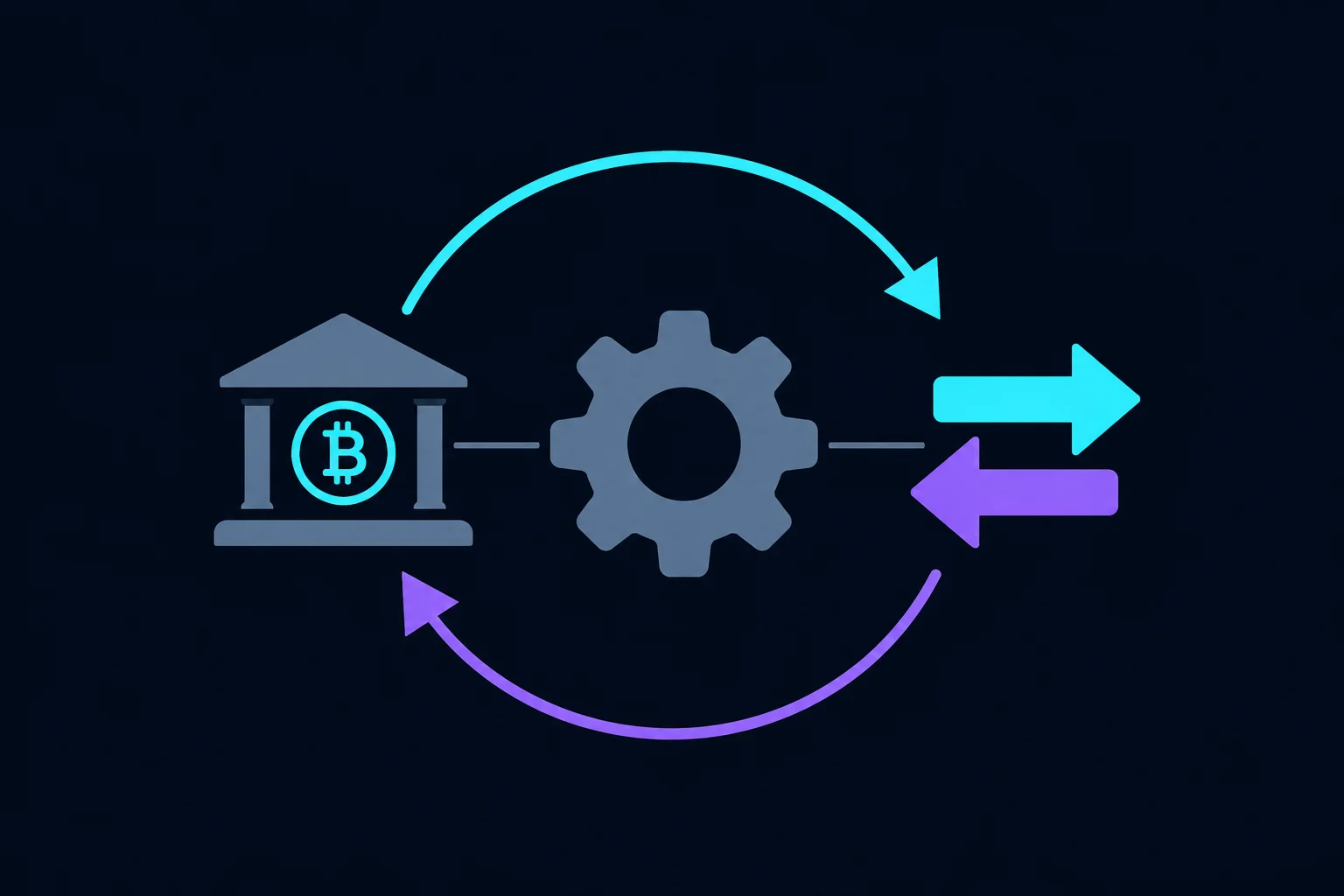
The Premium Averaging option automatically averages the pair's positions when its open position limit is reached and recalculates the average entry price and target sell price. Its Maximum averaging budget is a quote-currency amount for further purchases.
For example, an illustrative 60 USDT base allocation and a 40 USDT averaging allowance represent 100 USDT before costs. The allowance is not forty extra orders. The current form also does not provide a separate averaging decline threshold, an order-size multiplier or a user-selected number of additional orders.
Record the allowance before enabling this feature. Do not borrow an unlimited-zero rule from the exchange Trading budget: that rule is documented for a different control. The purpose of the averaging budget is to limit further spending, not to guarantee recovery or cap the percentage loss on the coins.
Calculate average entry price with quantities
In a hypothetical example without fees, 100 quote units spent at price 10 buy 10 units of a coin. Another 100 spent at price 8 buy 12.5 units. The combined cost is 200 for 22.5 units, so the average entry price is 200 / 22.5 = approximately 8.8889.
The arithmetic midpoint of the two prices, 9, is incorrect here because the quantities differ. At a market price of 8, the holding is worth 180 and the unrealized loss remains 20. Adding funds lowers the average entry but does not erase the earlier loss.
Using an illustrative Target of 3% gives 8.8889 × 1.03 ≈ 9.1556 before fees and rounding. That explains the effect of a recalculated target; actual recorded quantities, remaining coins and exchange precision determine the position shown by LIUTRIX.
Distinguish manual merging from new purchases
The pair's Active trades page also provides a manual averaging or merge action. It combines eligible existing positions and recalculates their entry and target. This action does not itself submit a new purchase. It can include remaining coins held for the pair, as explained in its confirmation.
Read the average-price preview and leftover-coin explanation before confirming. The operation requires at least two eligible active positions, an enabled pair and no pending sale among those positions. The confirmation warns that merging is irreversible.
The Target entered in that dialog belongs to the merged position; it does not replace the pair's saved Target setting. Preserve the earlier records if you need to explain why several entries later appear as one position in your journal.
Evaluate the extra exposure, not only the lower target
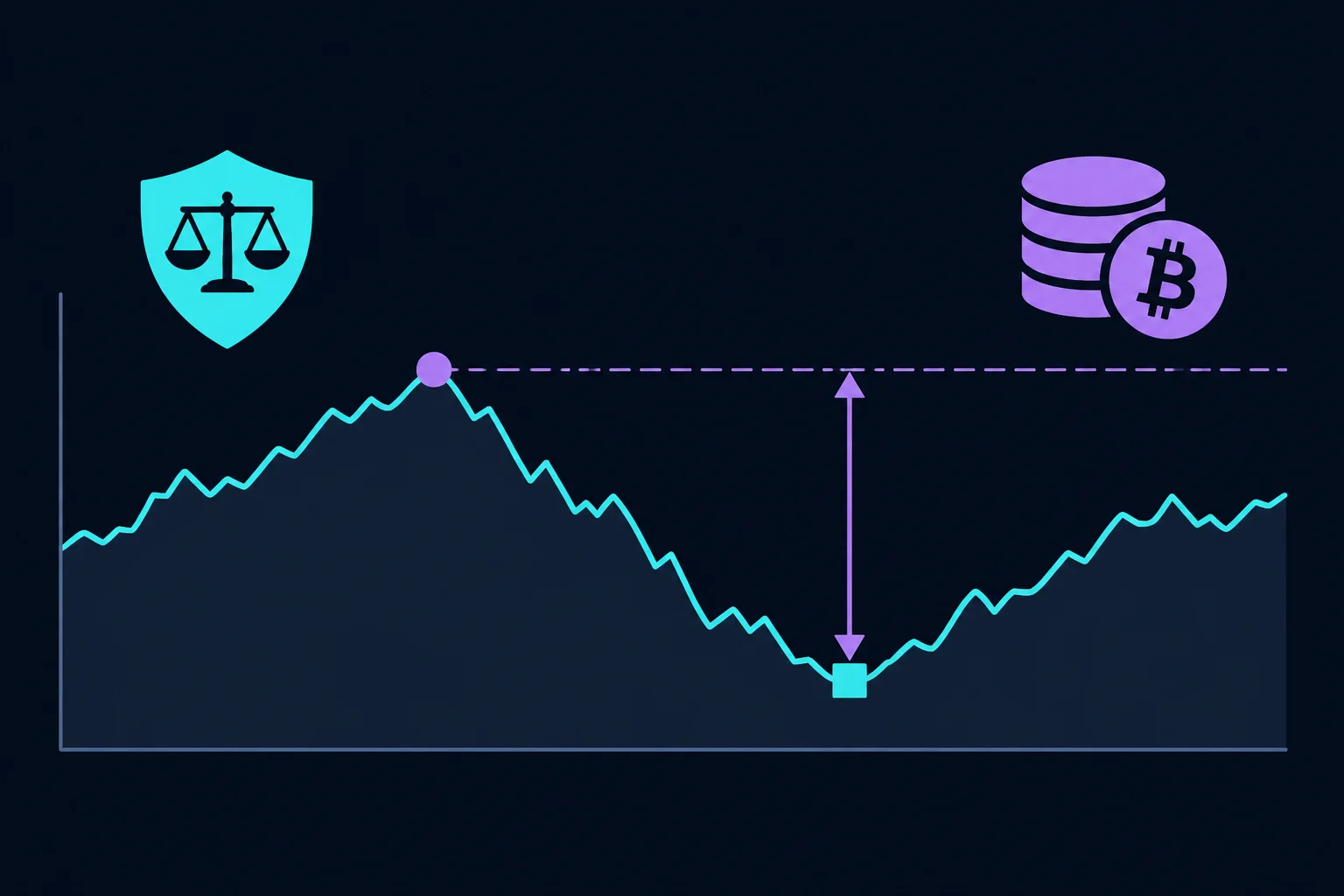
If the 22.5 units in the example fall further to 6, their value becomes 135 and the loss is 65 against 200 spent. Keeping only the original 10 units would produce a value of 60 and a loss of 40 against 100 spent. Averaging lowered the entry price while increasing the absolute exposure.
Reinvest is another separate feature: it adds part of closed-trade profit to subsequent order amounts. It does not turn Averaging into scheduled DCA. Auto Scale changes the exit after Target, rather than adding a monthly purchase schedule.
Before changing the pair, write down the base position allocation, maximum averaging allowance and how long you can leave that capital committed. Review active holdings as well as completed income. Neither a lower target nor a past profitable exit establishes that an asset will recover.
Frequently asked questions
Is LIUTRIX Averaging a weekly or monthly DCA schedule?
No. The current pair form uses Target-based price steps, and automatic Averaging starts when the open position limit is reached. It does not offer a calendar purchase schedule.
Is Maximum averaging budget an order count?
No. It is an amount in the pair's quote currency. Open position limit is the separate count of simultaneous positions.
Does manually merging positions buy more coins?
The merge action combines eligible existing positions and can incorporate leftover coins. It does not itself submit an additional purchase, and its Target applies to the merged position.
Sources and editorial notes
Prepared with AI assistance and editorially checked against current LIUTRIX settings, calculation definitions and the listed external sources on 20 November 2026. Examples are hypothetical. This is not an independent financial review, a live execution test or personal investment advice.
Reviewed: 2026-11-20.
- Investor.gov: Dollar Cost Averaging (accessed 2026-11-20).