Use the LIUTRIX Pairs catalogue to check exchange availability, quote currency, Target spacing, position limits and shared capital needs.
Choosing spot trading pairs for bots in LIUTRIX starts with the Pairs catalogue for your selected exchange. A coin mentioned in an article or available in the historical calculator is not automatically an enabled market in your connected account.
Pair selection is a settings and funding decision as well as a market decision. You need the correct quote balance, a suitable Amount, understood Target spacing and a position limit that fits the other pairs sharing that exchange.
Choose the exact exchange and quote currency
LIUTRIX provides exchange workspaces for Binance, Bybit, OKX, Gate.io and MEXC, subject to availability. Open Pairs within the exchange you use. The catalogue supports pair search and filters for quote currency and enabled state.
A market such as BTC/USDT spends USDT to buy the base coin. A BTC/USDC market uses a different quote balance. Their prices, market rules and your available funds need separate checks even though the base coin is the same.
Review the catalogue's saved amount, Target, position count and limit, plus enabled strategy options. Open the pair's Settings page before changing it. Its Active trades and Analytics tabs belong to that exact user, exchange and symbol; they do not combine every market for the coin.
Check how Target changes purchases and exits
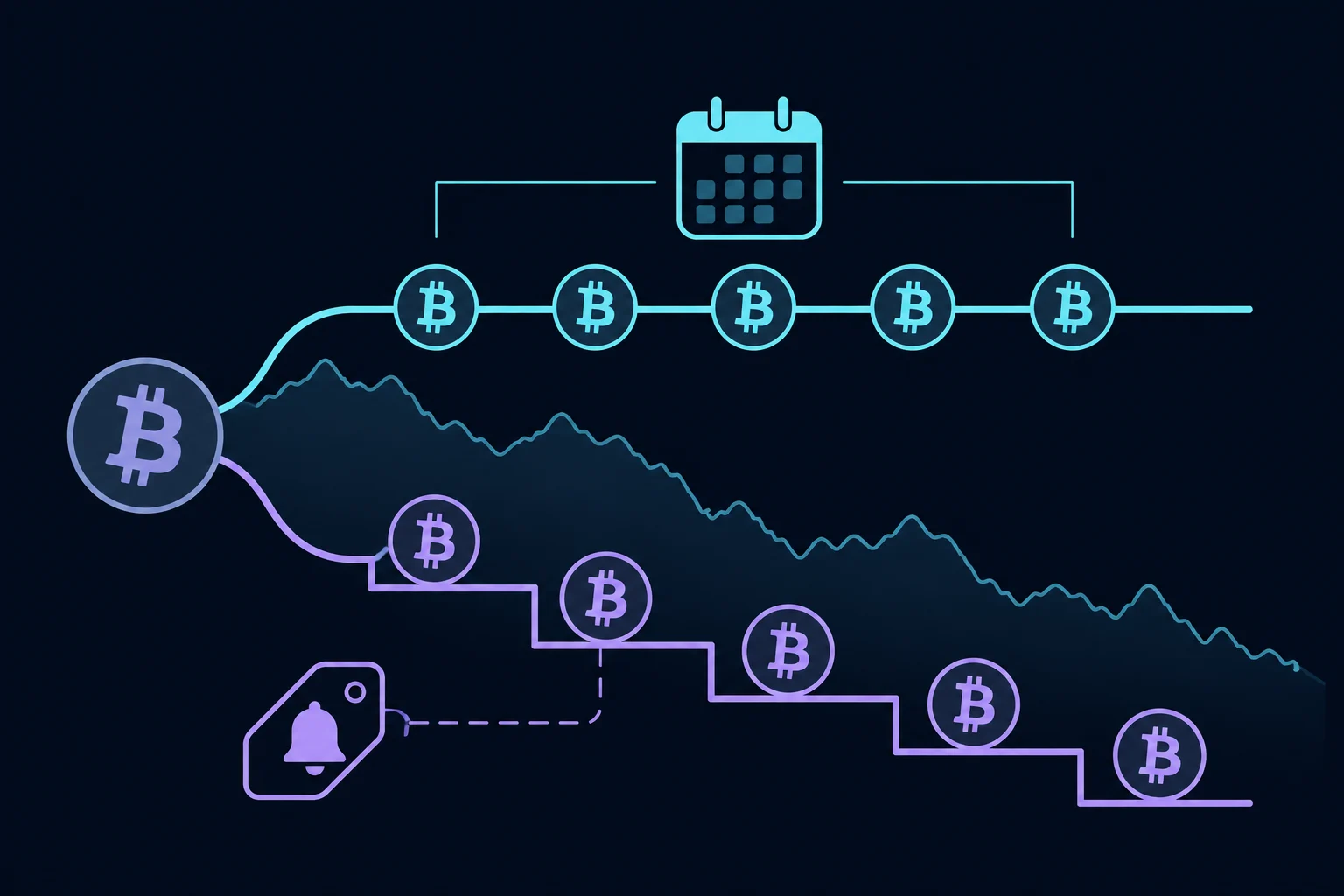
Target sets both the ordinary upward selling step and the downward spacing between new positions. With a hypothetical Target of 3% and first entry at 100, the next falling-price levels are 97 and 94.09. A higher Target changes that spacing as well as the required upward price move for a target sale.
Amount per trade sets the base quote-currency allocation for each position, while Open position limit sets their simultaneous count. Identical settings across two pairs do not establish identical execution costs or the same time to exit.
During recovery after a decline, existing positions close at their respective targets without new entries on that recovery leg. Auto Scale modifies the exit after Target, and Averaging changes the entry and target calculation when its trigger is reached. Assess the configuration you actually plan to save rather than a generic bot strategy.
Assess crypto liquidity for your order size
Daily trading volume is a historical total. Order book depth shows currently displayed quantities at different prices. Inspect the actual exchange market to understand whether your intended order is small or large relative to that available liquidity.
In a hypothetical book, 0.2 units offered at 100 and 0.8 at 101 produce an average purchase price of 100.80 for one unit before fees, if those offers remain available. The best displayed ask of 100 is not the execution price for the whole quantity.
Observe spread and depth at several times rather than relying on one favorable snapshot. Neither a large daily volume nor a screenshot guarantees the next fill. The LIUTRIX Pairs list is a configuration catalogue, not an order-book liquidity score or a recommendation ranking.
Compare field limits with exchange market rules
The current live pair form accepts whole-number Amount values from 12 to 300 in the pair's quote currency and position limits from 0 to 100. Target starts at your plan's minimum. Use the values and explanations shown for your account rather than copying the public calculator's distinct presets.
The exchange applies its own symbol rules. Binance's filter reference separates permitted quantities, increments and order values. A valid LIUTRIX form submission does not guarantee that every subsequent order meets every current market constraint.
Check restrictions or delisting notices for the actual market and account. If the pair is unavailable or disabled, resolve the reason instead of trying another URL or assuming that a visible historical chart proves trading is allowed.
Fit the pair into the shared funding plan
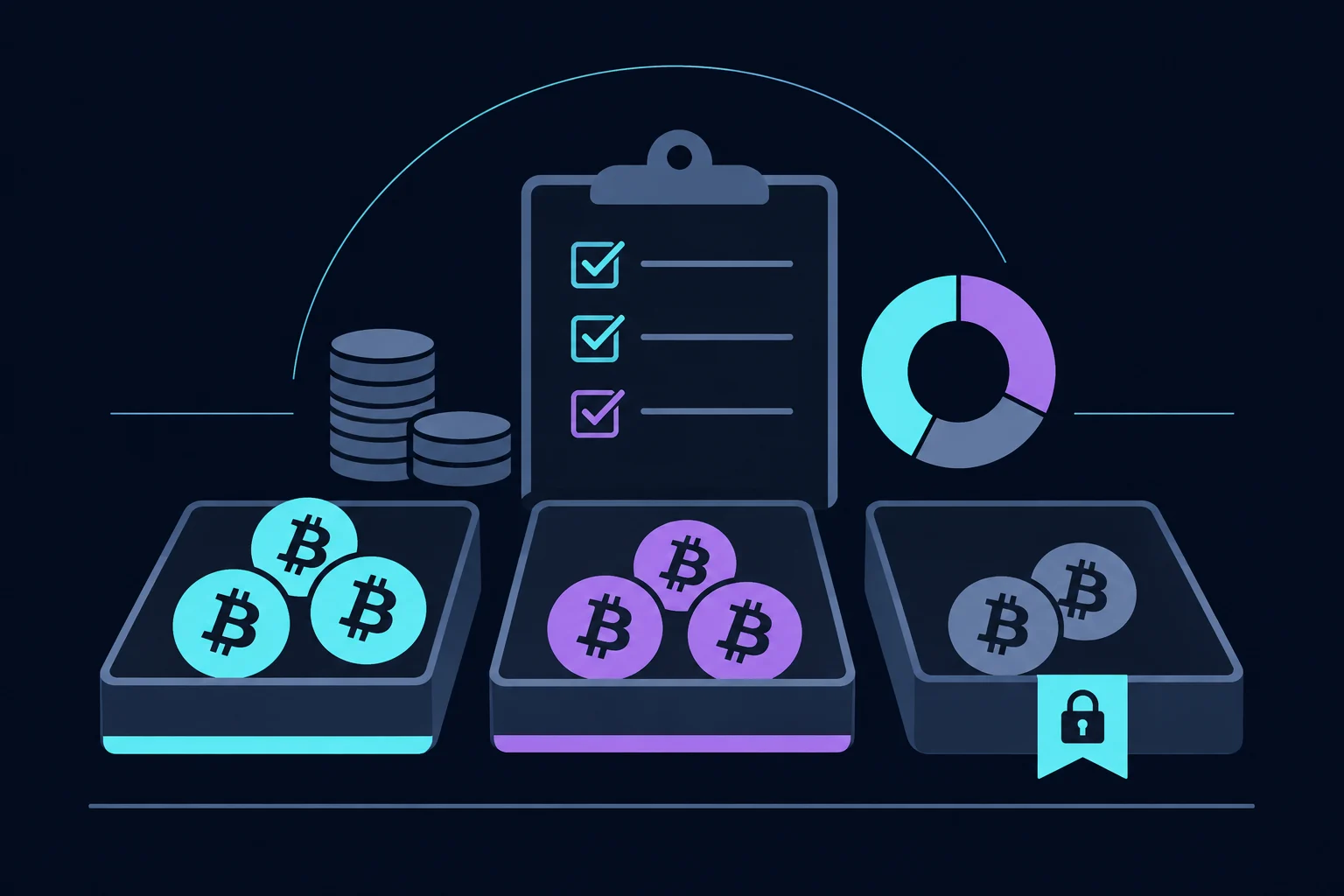
For a hypothetical pair with Amount 20 USDT and a limit of three, the base position allocation is 60 USDT before costs, averaging and reinvestment. Enabling four such pairs creates a 240 USDT base allocation; each additional averaging allowance must be counted separately.
Compare the combined allocation with the exchange's USDT Trading budget and actual available USDT. USDC has its own control. Premium Averaging and Reinvest can change how much a pair uses, so record their states rather than assuming Amount multiplied by limit is always the final requirement.
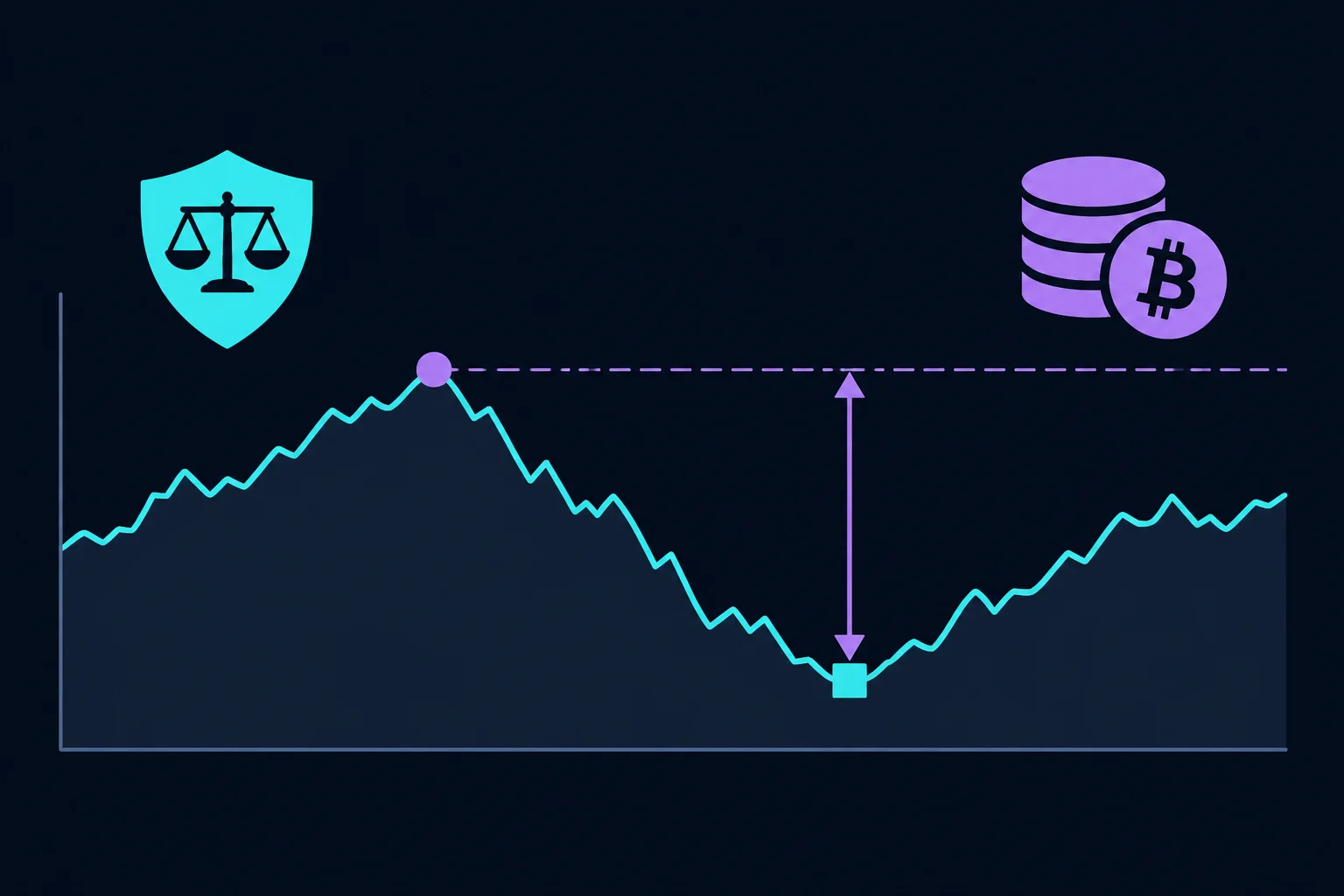
Several pairs can fall together. Different symbols do not eliminate shared exchange, quote-asset or market risk. Include simultaneous exposure and the possibility of a long wait for exits in your comparison.
Save a documented configuration
Write why the pair is eligible, the settings you selected and the conditions that would require review. Read the agreement concerning sell orders on coins in that pair. When ready, save the chosen trading state and verify exchange automation separately.
Your next check belongs in Active trades and the exchange history: compare the resulting position with the intended configuration. Use pair Analytics for its recorded outcomes. A successful save establishes the configuration; it is not a forecast that the coin will rise or a guarantee that the next order will execute.
Frequently asked questions
Can I enable every coin listed in the calculator?
Not on that basis alone. The calculator's historical coin list differs from the available exchange-specific Pairs catalogue and your account's trading access.
Does the Pairs list rank the most profitable markets?
No. It shows available pairs and saved trading settings. Liquidity, costs and suitability still require your own assessment of the exact market.
Should the same Target be used for every pair?
The same percentage defines the same type of price step, but liquidity, price behavior and funding requirements can differ. Compare the full configuration and market conditions.
Sources and editorial notes
Prepared with AI assistance and editorially checked against current LIUTRIX settings, calculation definitions and the listed external sources on 20 November 2026. Examples are hypothetical. This is not an independent financial review, a live execution test or personal investment advice.
Reviewed: 2026-11-20.
- Binance Spot API: Filters (accessed 2026-11-20).